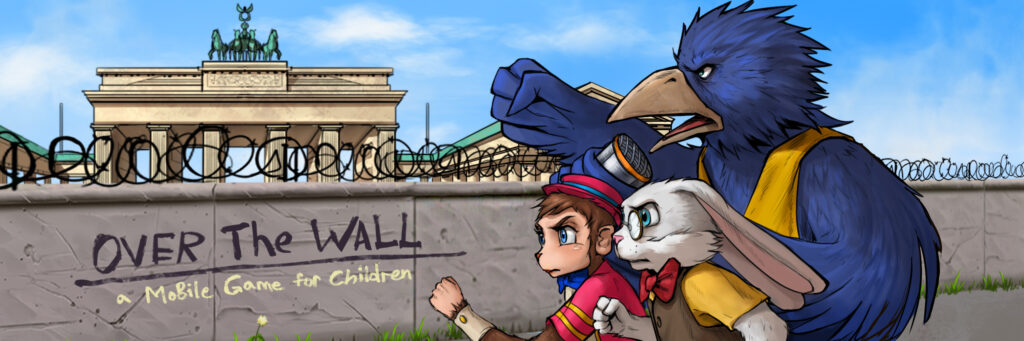
What many people don’t know is that when the Berlin Wall was built in 1961, it didn’t just create two separate states, but also a very special “animal state”: the colony of Wall Bunnies on the Death Strip.
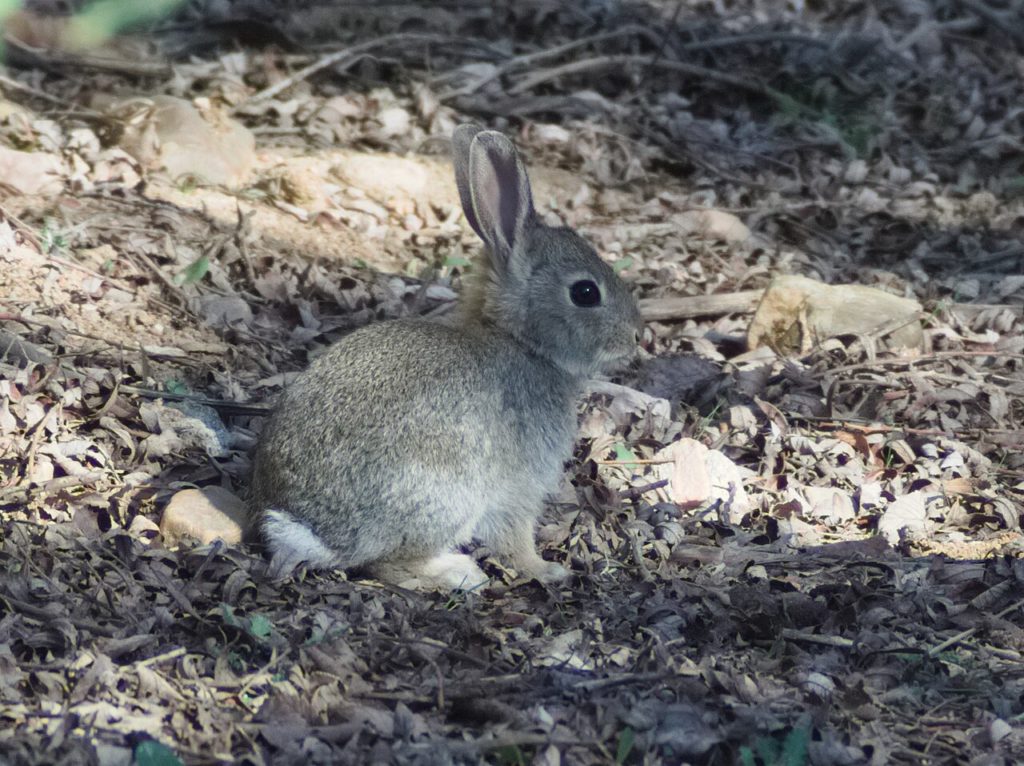
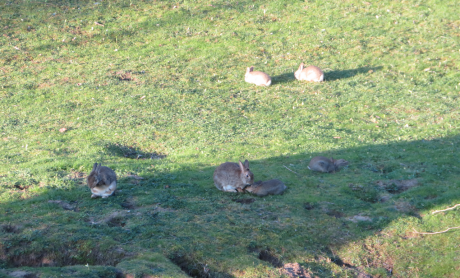
Thousands of wild rabbits lived in the death strip of the border fortifications. Their home was suddenly trapped between two walls. Protected from natural predators, they were able to expand their burrows undisturbed beneath the tank barriers. Moreover, the armed border guards looked after their well-being and sowed fresh grass for them. Politicians in the East used the long-eared rabbits as a symbol of peaceful life behind the Wall. They gave speeches in front of the Wall and took pictures of the cute little hoppers.
Eventually, the rabbits grew curious about the world beyond the walls. They began digging tunnels under the wall and made their way to the West. It was clear to the border guards that this had to be stopped. The walls were reinforced, and loopholes were sealed. The meadow was sprayed with toxic chemicals, and the unsuspecting animals were declared fair game. Many lost their lives and ended up on the plates of East Berliners. From then on, the remaining long-eared creatures lived in constant fear.
It was November 9, 1989. The Wall was torn down, and the former death strip became open terrain once again. The Wall Bunnies were set free. But just like humans, the long-eared creatures had to get used to their newfound freedom. They had to learn how to avoid traffic and how to escape their natural predators. And they had to claim a new habitat, because their traditional territory had been taken over by humans.
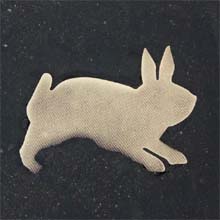
If you look closely, you might still spot descendants of the “Wall Rabbits” in Berlin-Mitte. They are immortalized on Chausseestraße. Brass rabbits are embedded in the asphalt, right where a GDR border crossing used to be. The artwork “Kaninchenfeld” was created by artist Karla Sachse in 1999 as a reminder that every political act affects not only people but also the animal world.
| Cookie | Dauer | Beschreibung |
|---|---|---|
| _p_hfp_client_id | past | Elfsight sets this cookie to implement social platforms on the website and enables the social platforms to track the users by assigning them a specific ID. |
| Cookie | Dauer | Beschreibung |
|---|---|---|
| WMF-Last-Access | 1 month 18 hours 25 minutes | This cookie is used to calculate unique devices accessing the website. |